.png?w=1928&h=815)

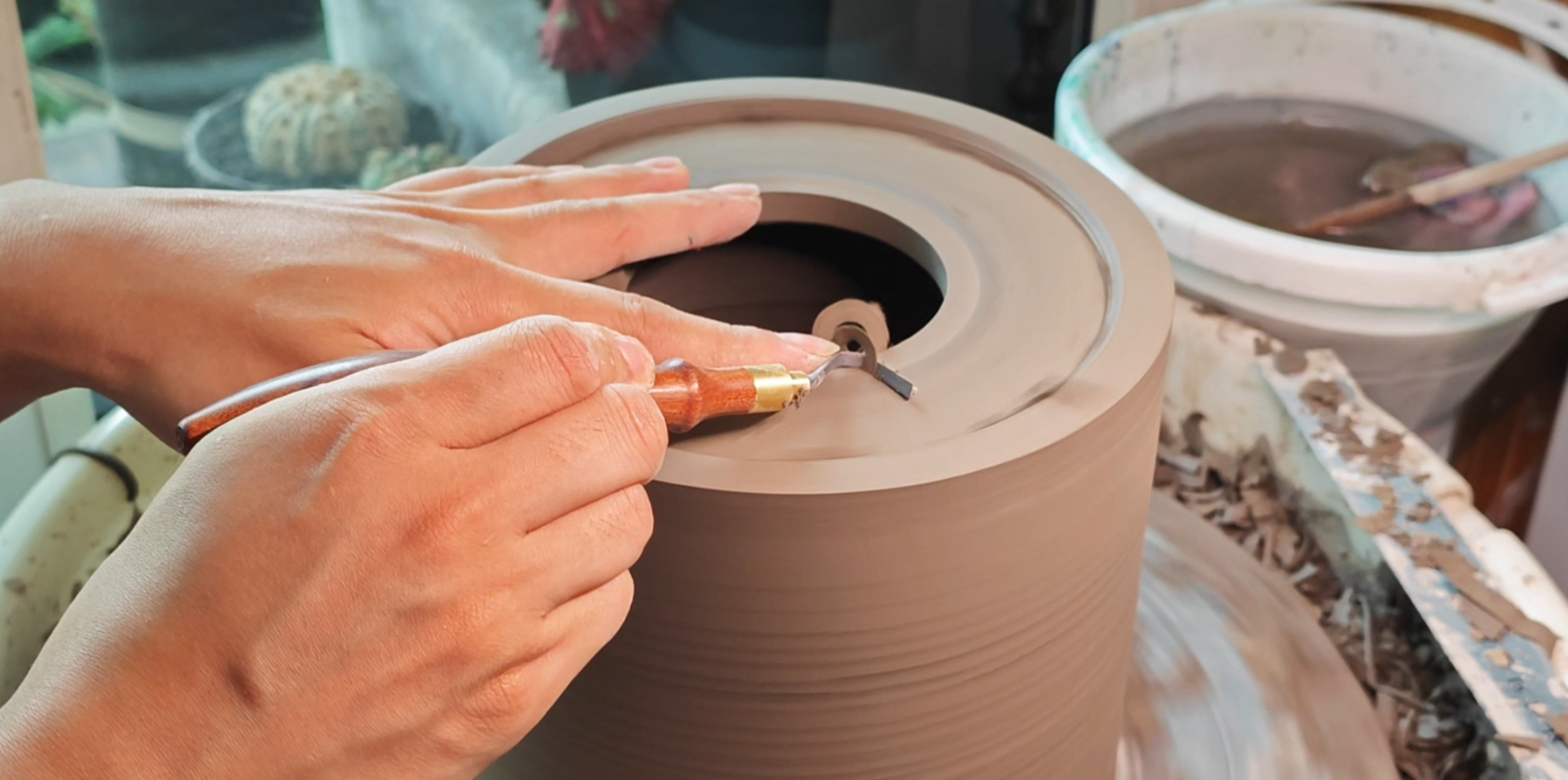
When a pottery trimming tool starts sticking, scraping, or jumping across the surface, it is natural to question the tool.
Is the edge dull? Is the shape wrong? Do you need a sharper trimming tool?
Sometimes the tool is the problem. But often, the clay simply is not at the right stage for trimming.
Clay moisture directly affects how the cutting edge enters the surface, how the trimmings fall away, and how much pressure you need. A good tool can make trimming easier, but it cannot fully compensate for clay that is too wet or too dry.
When the Clay Is Too Wet
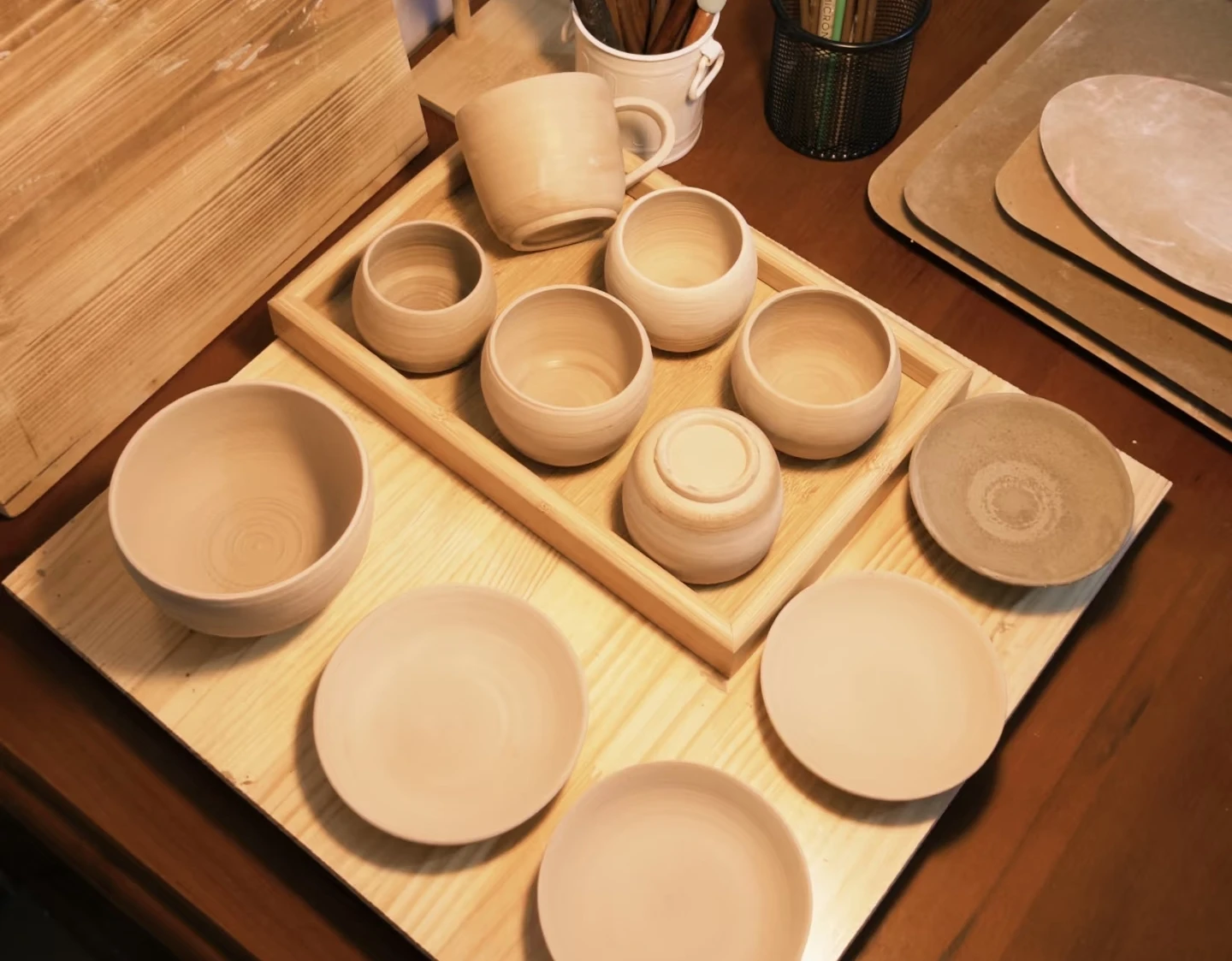
Wet clay does not release cleanly from the cutting edge. Instead of being cut away, it tends to move, stretch, and stick.
You may notice:
-
Clay building up around the trimming tool
-
The cutting edge pushing clay forward
-
Soft, sticky trimmings that clump together
-
The pot flexing or changing shape under pressure
-
A foot ring that looks compressed or poorly defined
This can make a sharp pottery trimming tool feel dull. Pressing harder usually makes the situation worse because the tool pushes deeper into clay that is not firm enough to support the cut.
Ceramic Arts Network notes that clay at an unsuitable wet stage can stick during trimming. It also emphasizes that the pot should be evenly leather-hard rather than firm on the surface but wet underneath.
The solution is usually not a different tool. Give the pot more time to firm up, especially around the thicker base.
When the Clay Is Too Dry
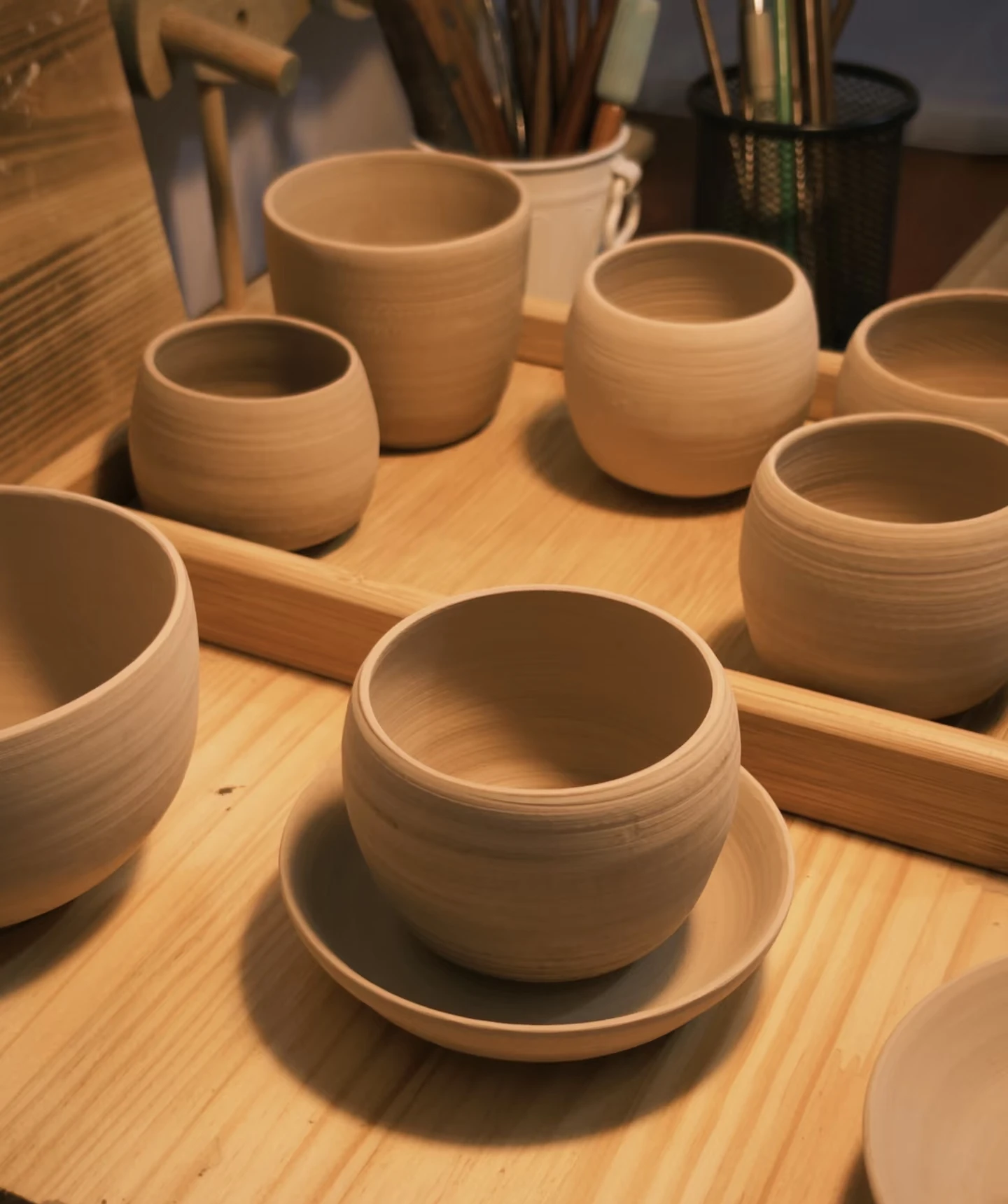
Dry clay creates the opposite problem. Rather than moving away from the tool, it resists the cutting edge.
Common signs include:
-
A hard scraping sound
-
Dust, flakes, or small chips instead of clean ribbons
-
Chipped foot-ring edges
-
Strong resistance to the cutting edge
-
Unexpected chatter marks
-
The need to apply increasing pressure
Ceramic Arts Network describes crumbly trimmings as a sign that the clay is becoming too dry and filings-like trimmings as a sign that it has already dried too far. It also identifies clay that is either too wet or too dry as a common cause of unwanted chattering.
A sharp steel or tungsten carbide trimming tool may still remove material from firmer clay, but the cut will usually feel less smooth and controlled.
Avoid forcing the tool into the surface. Use light, shallow passes and stop if the clay begins breaking away rather than cutting cleanly.
What the Right Trimming Stage Feels Like
Most pottery is trimmed at the leather-hard stage.
Digitalfire describes leather-hard clay as firm enough to handle without pushing it out of shape, but not so dry that working on the foot ring becomes difficult.
In practice, clay is usually ready when:
-
The pot holds its shape when lifted and turned over.
-
Light pressure does not distort the walls or base.
-
The cutting edge enters without being forced.
-
Clay comes away in clean curls or short ribbons.
-
The tool does not constantly stick, scrape, or jump.
-
The foot ring keeps a clean edge as it is refined.
Drying time alone is not a reliable guide. A thin cup may be ready much sooner than a bowl with a thick base, even when both were thrown at the same time.
A small test cut often tells you more than the clock.
Is It the Clay or the Trimming Tool?
Before deciding that your pottery trimming tool is dull or poorly designed, test it on another pot that is evenly leather-hard.
If the tool cuts cleanly on the second pot, the first pot’s moisture level was probably the main problem.
The tool itself may need attention when:
-
It performs poorly on several properly prepared pots.
-
Other trimming tools cut the same clay normally.
-
The cutting edge has visible wear or damage.
-
Dried clay remains stuck around the working edge.
-
The tool now requires more pressure than it did previously.
Clean the cutting head before judging its condition. A small amount of dried clay can interfere with the cutting edge and make a usable tool feel dull.
A Better Tool Helps—but Timing Still Matters
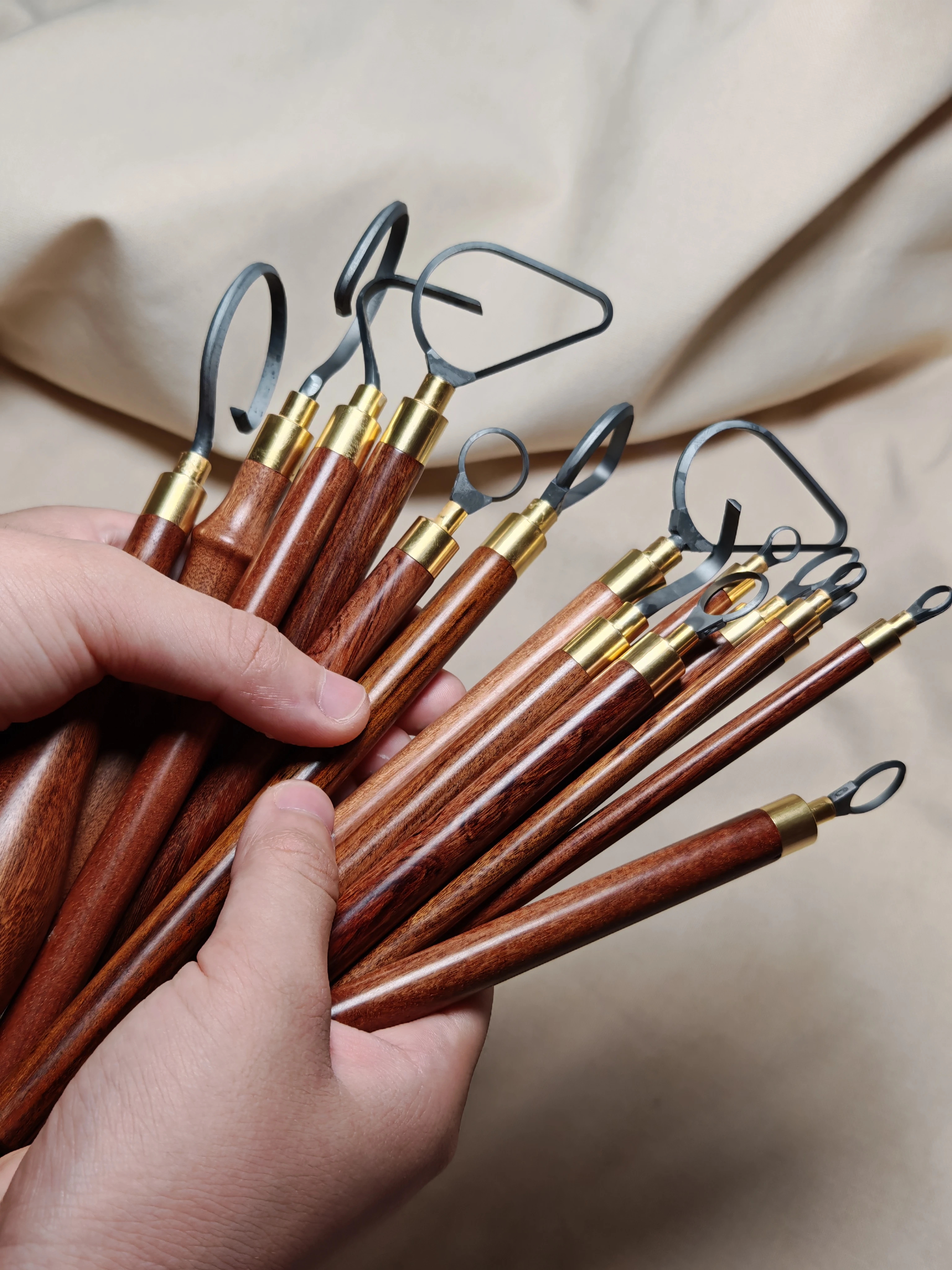
A wear-resistant carbide pottery trimming tool can maintain a more consistent cutting edge through repeated studio use. This makes it easier to feel changes in clay moisture, tool angle, and pressure.
However, carbide does not remove the need to trim at the right time.
Clay that is too wet can still stick and deform. Clay that is too dry can still chatter, chip, and resist the cutting edge.
Good trimming comes from matching the tool to the condition of the clay. Before replacing the tool or pressing harder, check what the pot is telling you through the resistance, sound, surface, and trimmings.
For more practical troubleshooting, read 7 Common Pottery Trimming Problems—and How to Fix Them, or explore KOVO TOOLS Carbide Pottery Trimming Tools.